If you’ve ever found yourself staring at a wall of wine labels, feeling like you’re trying to decode an ancient language, you aren’t alone. But terms like Grand Cru and DOCG did not begin in a marketing meeting. They grew out of centuries of observation, discipline, and power.
In Burgundy, many of the most prized vineyards were first mapped by Cistercian and Benedictine monks walking the slopes, tasting the fruit, studying the soil, and separating one remarkable parcel from another with stone walls. What they discovered was later reinforced by nobles, kings, and ducal authorities who turned local knowledge into lasting hierarchy. In Italy, today’s DOCG system is the modern heir to that same instinct: to define which grapes belong where, and which places consistently produce something exceptional.
At Katy Moore Wines, we believe that understanding these labels shouldn't feel like a history exam. It should feel like an invitation. Whether it’s a French Grand Cru or an Italian DOCG, these terms are more than just fancy acronyms. They are clues to centuries of careful selection, protected origins, and the people who decided that certain vineyards were worth naming and defending.
France: Where Faith, Power, and Place Shaped the Map
If there is one word that defines the French approach to wine, it’s terroir. It’s the idea that a specific patch of earth can produce a flavor that is entirely unique and impossible to replicate anywhere else.
In France, that idea did not emerge all at once. It was built over generations by monastic orders who farmed meticulously, aristocrats who controlled prized land, and royal systems that eventually gave legal force to what growers already knew. Burgundy remains the clearest example of how that story became a classification system.
Burgundy: Monks, Stone Walls, and the Birth of Grand Cru
In Burgundy, the great insight was simple but revolutionary: two vineyard plots separated by only a path or a wall could produce meaningfully different wines. By the Middle Ages, Cistercian and Benedictine monks controlled many of the region’s most important vineyards, and they paid close attention to those differences.
Over time, they identified which slopes drained best, which parcels caught the right morning light, and which patches of limestone and clay gave wines more structure, perfume, or longevity. This patient work helped establish the idea of the climat: a precisely defined vineyard site whose character is distinct from its neighbour.
In the Burgundy classification system, you can still see that logic at work:
- Regional (Bourgogne): The widest base, sourced from anywhere in the region.
- Village: Grapes come from a specific town, like Meursault or Gevrey-Chambertin.
- Premier Cru: Grapes come from a specific, high-quality vineyard site within a village.
- Grand Cru: The absolute pinnacle.

French Grand Cru wines represent only about 1% to 2% of everything Burgundy produces. These are the sites that generations of growers, monastic communities, and later civil authorities came to regard as the finest expressions of place. When you see "Grand Cru" on a Burgundy label, you are seeing the long afterlife of those early observations, where one patch of earth was judged fundamentally different from the next.
Bordeaux: Royal Favour and Imperial Rank
Bordeaux tells a different story. Its rise was tied not only to land, but to political power and international trade. When Eleanor of Aquitaine married Henry II in the 12th century, Bordeaux became deeply connected to the English crown, and its wines gained privileged access to one of Europe’s most important markets. For generations, Bordeaux was effectively the wine of England.
That royal connection helped build prestige, but the ranking that still shapes the market today came much later. In 1855, Napoleon III commissioned a classification for the Exposition Universelle in Paris. The result was the famous 1855 Classification, which ranked leading Bordeaux châteaux largely by reputation and market price. More than a century and a half later, that imperial snapshot still influences how collectors, drinkers, and merchants understand Bordeaux.
Whether the focus is a vineyard parcel in Burgundy or a château in Bordeaux, the French system is ultimately about making history visible on the label.
Italy: Noble Houses, Early Controls, and the Road to DOCG
Italy’s system can look like an alphabet soup at first, but its logic is rooted in a very old idea: important wines deserved rules. In Tuscany, powerful families such as the Medici helped elevate and protect prized agricultural land. In the north, the Kingdom of Piedmont-Sardinia was among the early political powers to take wine quality seriously, setting the stage for tighter definitions of origin and style.
Monastic communities also played a role here. In Piedmont, long before modern maps and committees, growers and religious orders observed that certain slopes were especially suited to Nebbiolo. That early attention to site helps explain why hillside names in Barolo and Barbaresco still carry such weight today.
Decoding the Italian Pyramid
When you look at an Italian label, you’ll likely see one of three sets of letters: IGT, DOC, or DOCG.
- IGT (Indicazione Geografica Tipica): These are often experimental and "rule-breaking" wines. They are high quality but don't follow the strict traditional rules of their specific sub-regions.
- DOC (Denominazione di Origine Controllata): This is the backbone of Italian quality. It ensures the wine comes from a specific zone and is made according to traditional methods.
- DOCG (Denominazione di Origine Controllata e Garantita): This is the "Garantita" or guaranteed level. It is the highest tier of Italian wine.
Italian DOCG wines are subject to the strictest regulations in the world. Before a wine can wear that official government seal, it must pass a blind taste test by a government-licensed committee.

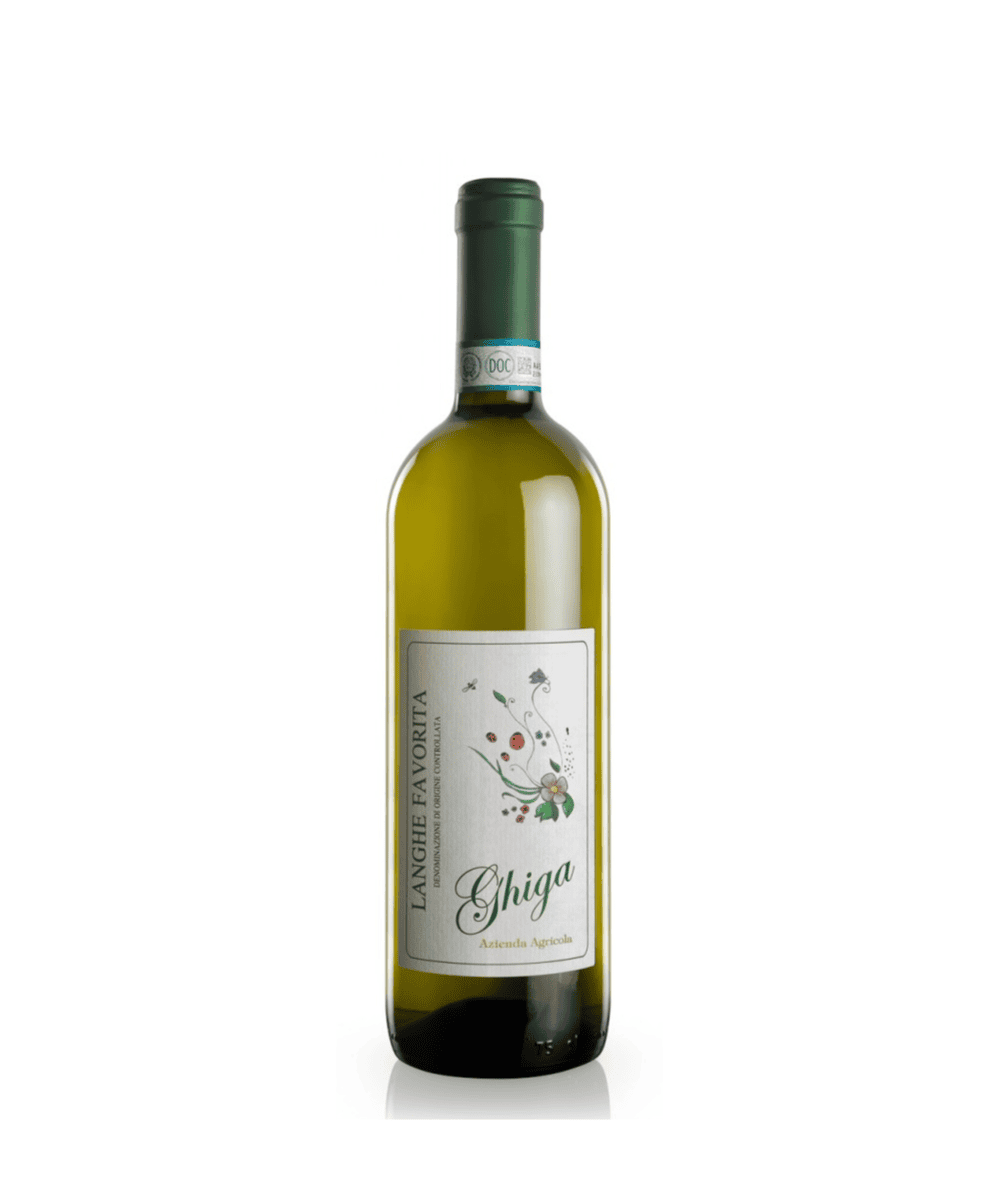
You can always spot a DOCG wine by the "pink" (or sometimes gold) paper band wrapped around the neck of the bottle. This band is a signal to you, the drinker, that the wine has been verified for authenticity and quality. In many ways, it is the modern continuation of much older aristocratic and state controls over what could be grown, where it could be grown, and what counted as a region’s best wine.
From Chianti Classico to Barolo
The world of Italian wine isn't static; it's constantly evolving to give drinkers more precision.
In Chianti Classico, that story connects naturally to Tuscany’s long culture of stewardship and regulation. You may have noticed the term Gran Selezione, now the top tier of Chianti Classico, requiring longer aging and grapes grown exclusively on the producer’s estate. Chianti is also introducing UGAs (Unità Geografiche Aggiuntive), essentially named sub-zones that help show how one part of the region differs from another.
Similarly, in Piedmont, Barolo DOCG and Barbaresco have codified their MGAs (or UGAs), which are essentially "Crus." When you see a name like Cannubi or Asili on the label, you are looking at a specific hillside that has been prized for Nebbiolo for centuries. Today’s classifications may be modern, but the instinct behind them is old: identify the best places, protect their names, and help drinkers recognize why they matter.

Why These Historic Tiers Still Matter Today
What makes these labels useful is not just prestige. It’s the fact that they carry forward centuries of close observation and formal protection. Monks noticed differences in slope and soil. Noble families consolidated and protected prized vineyards. Governments and rulers eventually codified those distinctions into systems that could survive beyond any one generation.
That history matters because it helps explain what the label is actually telling you. A Grand Cru or DOCG is not just a flourish on the bottle. It signals that this wine comes from a place that has been judged, revisited, and defended over time.
These are not commercial, mass-produced wines. They are artisanal products with limited production, often coming from small family estates that prioritize quality over quantity. By understanding what Grand Cru and DOCG really tell you, you gain direct access to a world of flavor that "marketing noise" often hides.
Taste the World, One Sip at a Time
At Katy Moore Wines, we believe that every bottle should tell a story. We specialize in sourcing unique, low-sugar, well-balanced wines that you won't find on your average retail shelf.
Our cellar service is a thoughtfully curated selection of wines chosen specifically for your tastes, your table, and your lifestyle. We begin with personal consultation, then hand-select wines delivered to your door, with ongoing guidance to help your collection grow.
No guesswork, no hours lost browsing — just beautiful wine, ready when you are.
If this world of Grand Cru and DOCG has sparked your curiosity, we’d be delighted to help you discover bottles that bring these stories to life. Savor the history, enjoy the discovery, and most importantly, enjoy the wine.
PLEASE CONFIRM YOU ARE OVER THE AGE OF 19.